
Product Documentation
From our Blog
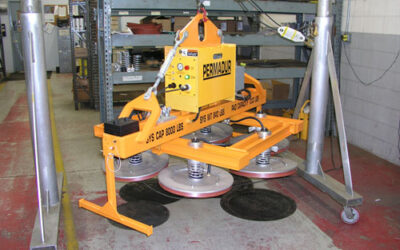
Can Permanent Lifting Magnets Be Used on Stainless Steel or Aluminum, and When Should You Choose a Vacuum Lifting System Instead?
Why this question matters If you’ve ever watched a shiny stainless-steel plate slip out of your magnet’s grip or wonder whether an aluminum panel will cling to the lifting head, you know how frustrating and risky the wrong choice of lifting device can be. Engineers...
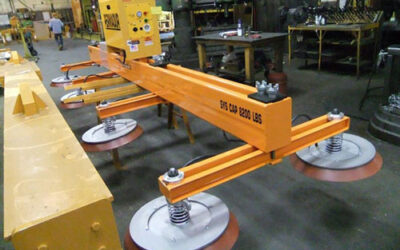
What Are the Advantages and Limitations of Vacuum Lift Systems for Delicate or Non-Magnetic Materials?
Choosing the Right Tool for Fragile Loads Imagine trying to move a large sheet of polished stainless steel or a slab of glass without leaving scratches or dents. Permanent magnets can’t hold non-ferromagnetic materials like aluminium or austenitic stainless steel, and...
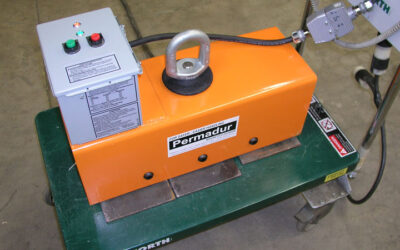
How Often Should Permanent Lifting Magnets Be Inspected and What Safety Checks Are Required?
Why Regular Magnet Inspections Are Critical When you’re responsible for moving heavy steel plates, bars, or beams, you depend on the reliability of your lifting magnet. A single overlooked flaw in the magnet’s handle, a worn out hoist ring, or a crack in the magnet’s...
Determining Appropriate Lifting Capacity for Material Handling Vacuum Lift Systems: A Guide to Safety, Efficiency, and Compliance
When vacuum lift systems let go, everyone in the bay hears it, and everyone loses time. The cause is rarely bad luck. It is almost always a mismatch between what the device was engineered to lift and what it was asked to do. Capacity is not a sticker. It is the sum of...
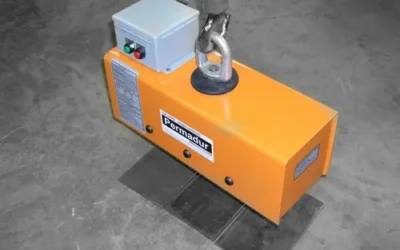
Understanding Plate Lifting Magnet Technology
Advice from the Industry If you run plate yard moves or feed a burn table all day, you live with two competing pressures: move faster and never drop a thing. Most near-misses trace back to the same gap. The job was planned for a perfect plate, then the crew met real...
What are the Most Common Physical Causes of an Air Gap Between a Lifting Magnet and a Ferromagnetic Load?
The "air gap" in permanent lifting magnet operations is a critical concept that refers to any non-magnetic space that exists between the contact surface of the lifting magnet and the ferromagnetic material being lifted. This space, even if minute, creates a...