by erenninger | May 18, 2020 | below the hook lifting device, Lifting Magnet Systems, Safety & Operation, Sheet Lifting
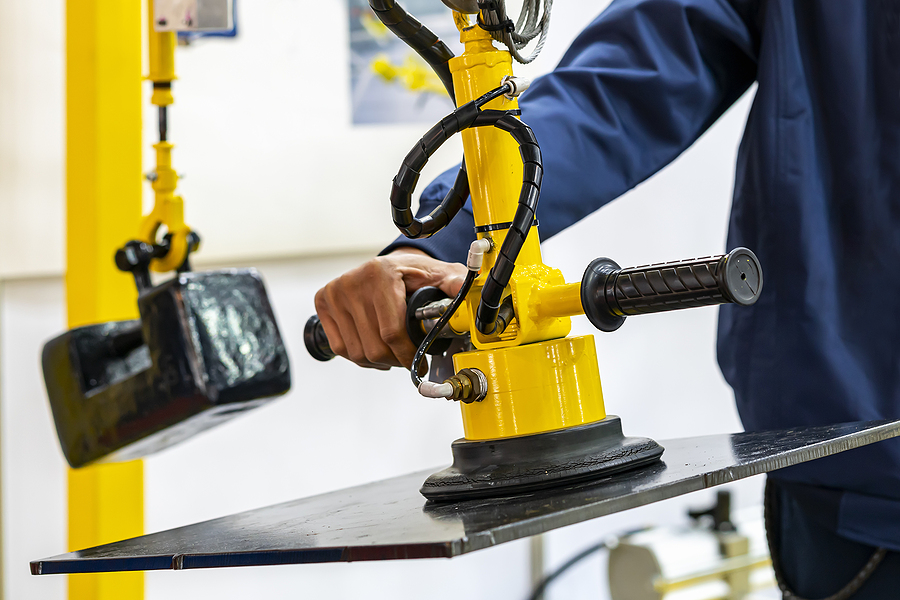
Plate lifting equipment is a significant investment that is important to protect. Not only are pieces of equipment like heavy lifting magnets expensive, but they facilitate the daily operations of your business. Most damage occurs due to collisions with other heavy...
by erenninger | Apr 30, 2020 | below the hook lifting device, Lifting Magnet Systems, Safety & Operation
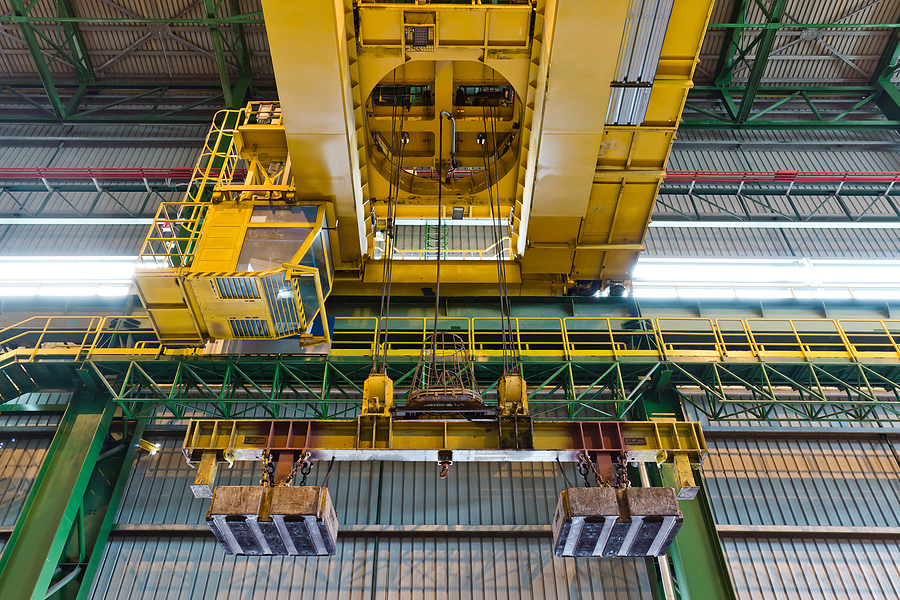
Electro-permanent lifting magnets are a type of industrial lifting magnet made from steel parts, coils, magnetic materials, and an electric control device. This hybrid has permanent lifting magnets that can be turned ‘off and on’ with electricity. They are quite...
by erenninger | Jan 30, 2020 | below the hook lifting device, Equipment Maintenance, Lifting Magnet Systems, Safety & Operation
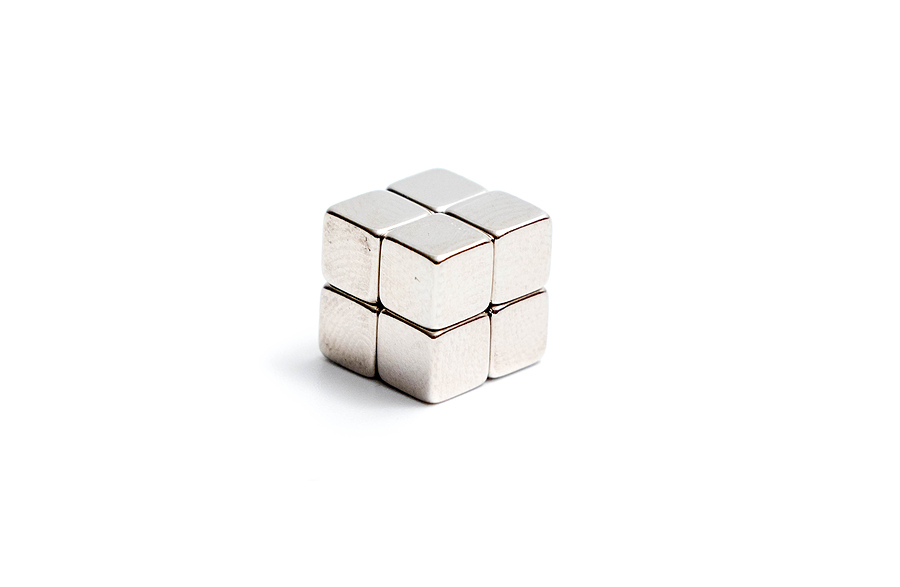
Neodymium magnets are extremely useful for industrial-scale lifting and are relied upon in many different industries. They are capable of lifting a lot, but require careful handling and maintenance to remain in safe working order. Proper use of a neodymium magnet can...
by erenninger | Dec 16, 2019 | below the hook lifting device, Equipment Maintenance, Lifting Magnet Systems, Safety & Operation
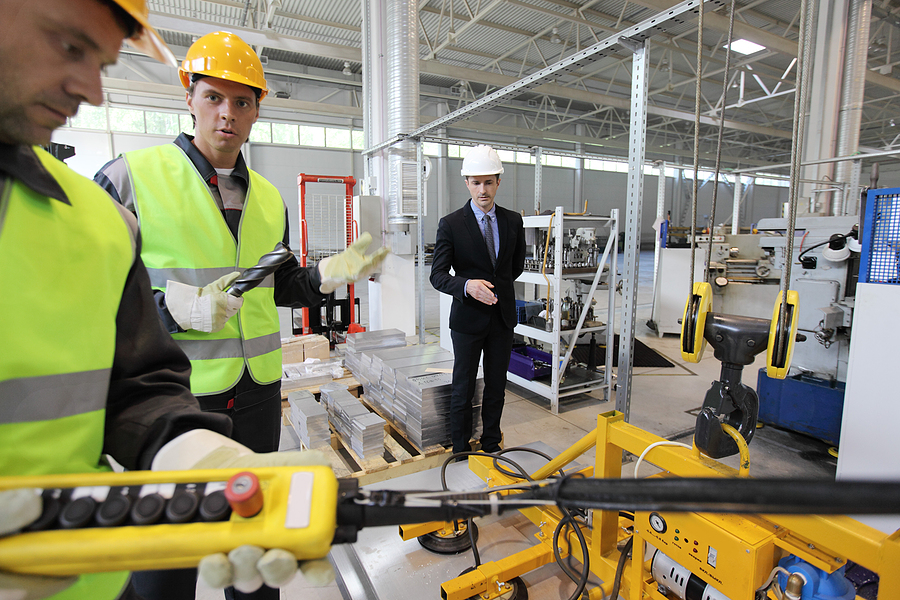
Operating heavy lifting devices is a serious business. There are many moving parts and hazards to look out for, so proper operation is essential to improve the productivity and safety of your job site. But how do you operate a heavy lifting device in the safest, most...
by erenninger | May 10, 2019 | Lifting Magnet Systems, News, Safety & Operation
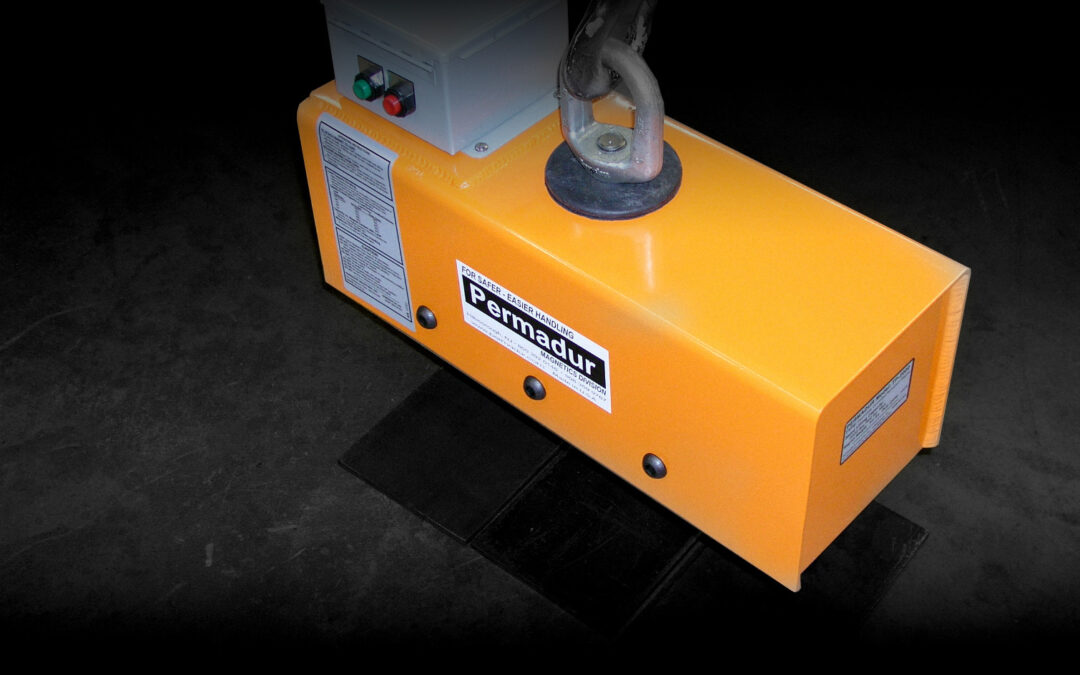
It’s everyone’s worst fear come to life: 2,900 pounds of steel come raining down from above. For one Ohio worker—his arm crushed beneath that load—things will never be the same. At the center of this incident was the malfunction of a second-rate lifting...
by erenninger | Dec 4, 2018 | Equipment Maintenance, Lifting Magnet Systems, Safety & Operation
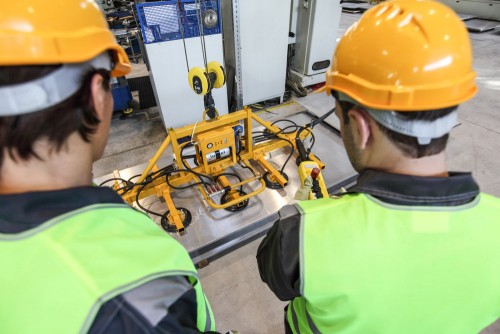
Contrary to popular belief, a permanent lifting magnet does not remain in its “permanent” state by default. Proper permanent lifting magnet maintenance is required to maintain its potency. A failure to take care of permanent lifting magnets with the...