
Lifting Solutions

Permadur Industries Inc. serves a wide range of industries with tailor-made lifting solutions designed for safe, efficient material handling. Our systems are engineered to handle everything from steel plate, beams and structural shapes to aluminum, titanium, plastics, acrylic, wood, cardboard, and composite materials. Explore the core industries we serve and see how we’ve increased safety, productivity, and overall operational efficiency across their facilities.
Lifting Solutions by Material Type
< Swipe to Navigate >
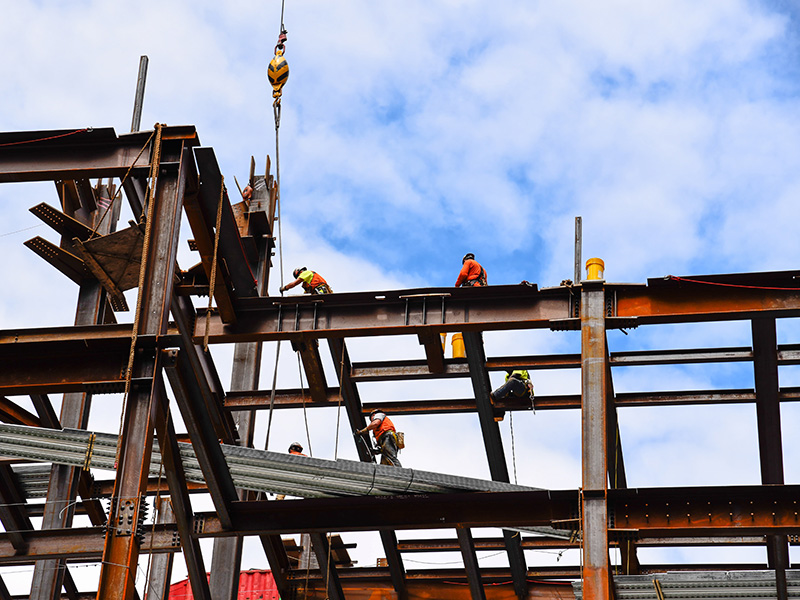
Steel Plate and Structural Steel
Typical Loads
Carbon steel plate, heavy structural plate, wide-flange beams, channels, angles, HSS sections, and other structural shapes in a wide range of lengths, thicknesses, and weights. Loads may be handled individually or as staged bundles depending on workflow requirements.
Recommended Systems
Permanent Lifting Magnet Systems for secure, fail-safe handling of plate and structural steel; Plate Handling Magnets optimized for flat material and stacked plate; Vacuum Lifting Systems for plate applications requiring surface protection or non-magnetic handling; Load Positioners for precise alignment and controlled placement of long or heavy members.
Common Tasks
De-stacking plate from storage, offloading material from trucks or rail, feeding burn tables and saw lines, staging beams and structural members for fabrication, rotating and aligning components for welding, and positioning material for cutting or processing.
ROI Points
Reduced manual handling and rigging time, faster lift-and-load cycles, increased machine uptime and torch-on time, improved operator safety when handling heavy or awkward loads, and consistent lift performance with documentation that supports safety and compliance requirements.
Case Study
A structural steel fabricator streamlined plate and beam handling by implementing permanent lifting magnets and positioners. The result was faster material flow from storage to processing, a significant reduction in manual rigging, and improved safety across daily operations.
Aluminum
Typical Loads
Aluminum plate, sheet, extrusions, billets, bars, and fabricated components in a wide range of sizes and thicknesses. Loads often include thin or large-format plate, lightweight but high-surface-area parts, and finished or semi-finished aluminum products requiring careful handling.
Recommended Systems
Vacuum Lifting Systems with configurable pad layouts for secure, non-marking handling of aluminum plate and sheet; Load Positioners for controlled rotation and precise placement during fabrication and assembly; Specialized lifting frames designed to distribute load evenly across large or thin aluminum surfaces.
Common Tasks
De-stacking aluminum sheet and plate, loading laser and waterjet cutting tables, transferring material between machining and fabrication stations, positioning components for welding or assembly, and staging finished aluminum products for packaging or shipment.
ROI Points
Protection of surface finishes with non-contact lifting, reduced risk of deformation on thin materials, faster machine loading and material flow, improved operator safety with ergonomic handling solutions, and consistent positioning that reduces rework and scrap.
Case Study
An aluminum fabrication shop transitioned from manual handling to vacuum lifting systems with adjustable pad configurations. The result was faster material changeovers, reduced surface damage on finished parts, and improved overall shop efficiency without increasing labor demands.
Stainless Steel
Typical Loads
Stainless steel plate, sheet, coils, bars, and fabricated components in a range of grades and thicknesses. Loads often include flat and formed parts where surface finish, cleanliness, and material integrity are critical.
Recommended Systems
Permanent Lifting Magnet Systems designed for stainless steel grades with sufficient magnetic response; Vacuum Lifting Systems for non-magnetic or low-permeability grades; Load Positioners for controlled alignment and placement during fabrication and finishing operations.
Common Tasks
De-stacking sheet and plate, loading laser or plasma cutting tables, positioning material for welding and fabrication, handling finished components without surface damage, and staging parts for polishing or assembly.
ROI Points
Reduced surface marring and contamination, safer handling of heavy or slippery material, faster processing and changeovers, improved consistency in positioning, and lower scrap rates due to material damage.
Case Study
A stainless steel fabricator integrated vacuum lifting systems to handle finished sheet and plate. The result was improved surface protection, faster machine loading, and reduced rework during downstream finishing operations.
Alloys
Typical Loads
Specialty alloy plate, bars, billets, and custom-shaped components including high-strength, heat-resistant, or corrosion-resistant materials used in demanding industrial applications.
Recommended Systems
Permanent Lifting Magnet Systems for ferrous alloys; Vacuum Lifting Systems for non-ferrous or mixed-material applications; Custom lifting frames and positioners engineered to accommodate irregular shapes, variable weights, and unique handling requirements.
Common Tasks
Handling raw alloy stock, positioning material for machining or heat treatment, transferring parts between workstations, and staging precision components for inspection or assembly.
ROI Points
Safe handling of high-value materials, reduced risk of damage or deformation, improved workflow efficiency, fewer manual lifts, and greater control during precision operations.
Case Study
A specialty manufacturer implemented customized lifting solutions to handle high-value alloy components, improving material flow while reducing handling-related damage and operator strain.
Plastics
Typical Loads
Plastic sheets, panels, molded components, composite boards, and lightweight fabricated parts in varying thicknesses and surface textures.
Recommended Systems
Vacuum Lifting Systems with soft, configurable pad materials for non-marking handling; Lightweight lifting frames designed for large-format plastic sheets; Load Positioners for precise placement during cutting or fabrication.
Common Tasks
De-stacking plastic sheets, loading CNC routers or cutting tables, positioning panels for fabrication, and staging finished components for assembly or packaging.
ROI Points
Protection of delicate surfaces, reduced manual handling, improved accuracy when positioning large sheets, faster cycle times, and safer operations when handling flexible or oversized materials.
Case Study
A plastics processor adopted vacuum lifting systems to handle large-format sheets, reducing handling time and minimizing surface damage during cutting and fabrication.
Acrylic
Typical Loads
Acrylic sheets, panels, display components, and finished products requiring careful handling to preserve clarity and surface finish.
Recommended Systems
Vacuum Lifting Systems with low-mark, high-hold pads designed for smooth surfaces; Adjustable pad configurations to accommodate varying sheet sizes and thicknesses; Precision positioners for controlled placement.
Common Tasks
Handling and staging acrylic sheets, loading laser cutting or routing equipment, positioning panels for fabrication, and transferring finished parts without scratching or cracking.
ROI Points
Reduced surface damage and breakage, improved handling precision, faster processing of delicate materials, and safer operations with minimal manual contact.
Case Study
An acrylic fabrication facility implemented vacuum lifting solutions to reduce breakage and surface defects, resulting in higher yield and more consistent finished products.
Cardboard
Typical Loads
Corrugated cardboard sheets, cartons, stacked blanks, and packaging materials in bulk quantities or large formats.
Recommended Systems
Vacuum Lifting Systems optimized for porous materials; Multi-pad configurations for stable lifting of large or flexible sheets; Lightweight frames for high-speed handling.
Common Tasks
De-stacking cardboard blanks, feeding die-cutting or converting equipment, staging packaging materials, and transferring stacks between production areas.
ROI Points
Increased throughput in high-volume operations, reduced manual labor, consistent feeding into downstream equipment, and improved worker ergonomics.
Case Study
A packaging operation improved line efficiency by integrating vacuum lifting systems, enabling faster material handling and reducing operator fatigue during high-volume production.
Wood
Typical Loads
Wood panels, plywood sheets, MDF, lumber, and fabricated wood components in various sizes and thicknesses.
Recommended Systems
Vacuum Lifting Systems for flat wood products; Configurable pad layouts to handle porous and textured surfaces; Load Positioners for precise alignment during cutting or assembly.
Common Tasks
De-stacking wood panels, loading CNC routers or saws, positioning material for fabrication, and staging finished components for assembly or shipping.
ROI Points
Reduced manual lifting of heavy panels, improved accuracy in material placement, faster machine loading, safer handling of large or awkward pieces, and improved workflow consistency.
Case Study
A wood fabrication shop adopted vacuum lifting systems to streamline panel handling, improving safety and productivity while reducing physical strain on operators.
Lifting Solutions by Core Industries Served
< Swipe to Navigate >
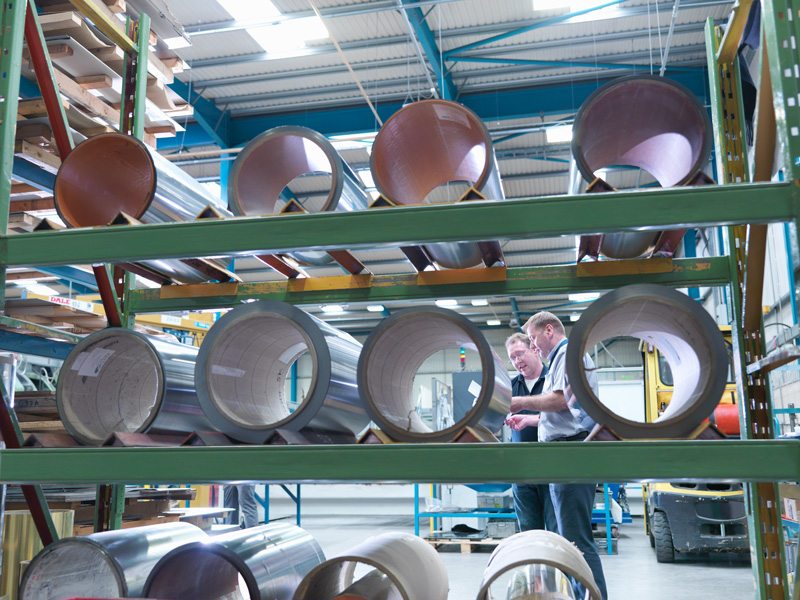
Steel Service Centers
Typical Loads
Large steel plates in various lengths, widths, and thickness ranges; rounds, angles, and other common shapes.
Recommended Systems
Plate Handling Magnets; Vacuum Lifting Systems for large plate; Load Positioners for precision movement.
Common Tasks
De-stacking bundles, burn-table offload, single-plate picks, staging material, and positioning for cutting or processing.
ROI Points
Fewer manual touches, faster machine loading, increased torch-on time, reduced setup changes, clean documentation for audits.
Case Study
A regional service center improved plate-throughput by streamlining lift-and-load cycles, reducing manual handling by more than half.
Structural Steel Fabrication
Typical Loads
Plates, beams, angles, rounds, and fabricated structural shapes used in construction and industrial frameworks.
Recommended Systems
Plate Magnets; Vacuum Systems for specialty materials; Load Positioners for fit-up and welding accuracy.
Common Tasks
Moving structural pieces from storage to weld bays, aligning parts for welding, lifting cut sections, and transferring assemblies.
ROI Points
Shorter staging times, improved weld alignment, fewer rigging steps, safer handling of long or heavy shapes.
Case Study
A fabrication shop reduced part-to-weld time significantly by converting from chain slings to controlled magnetic lifting.
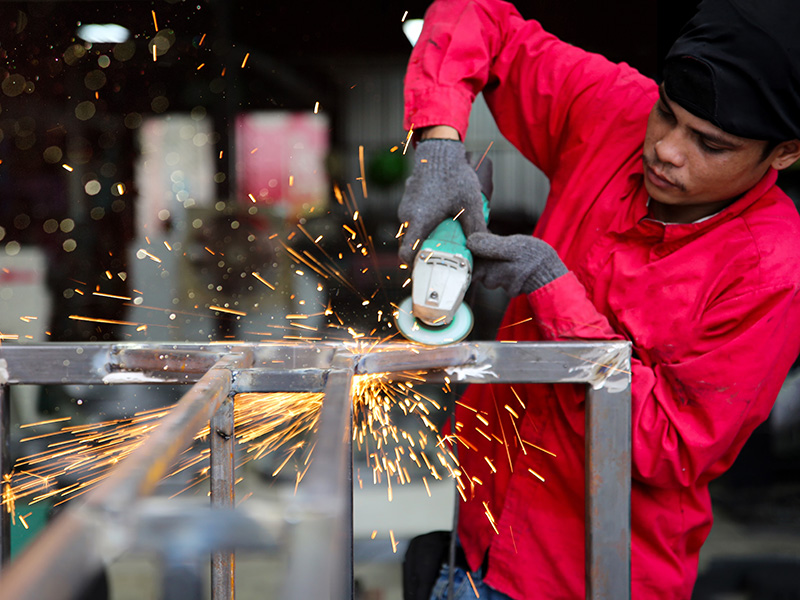
Metal Fabrication
Typical Loads
Sheet metal, plate stock, cut parts, formed components, and both ferrous and non-ferrous materials depending on application.
Recommended Systems
Vacuum Lifting Systems for non-magnetic metals; Plate Magnets for ferrous materials; Multiple-Part Handling systems for batch moves.
Common Tasks
Loading laser/plasma tables, transferring sheets to press brakes, picking cut parts, stacking and unstacking components.
ROI Points
Faster machine changeovers, reduced risk of part damage, lower operator fatigue, consistent handling for high-volume operations.
Case Study
A metal fabrication facility achieved faster laser table turnover and fewer damaged sheets after adopting vacuum-assisted lifting.
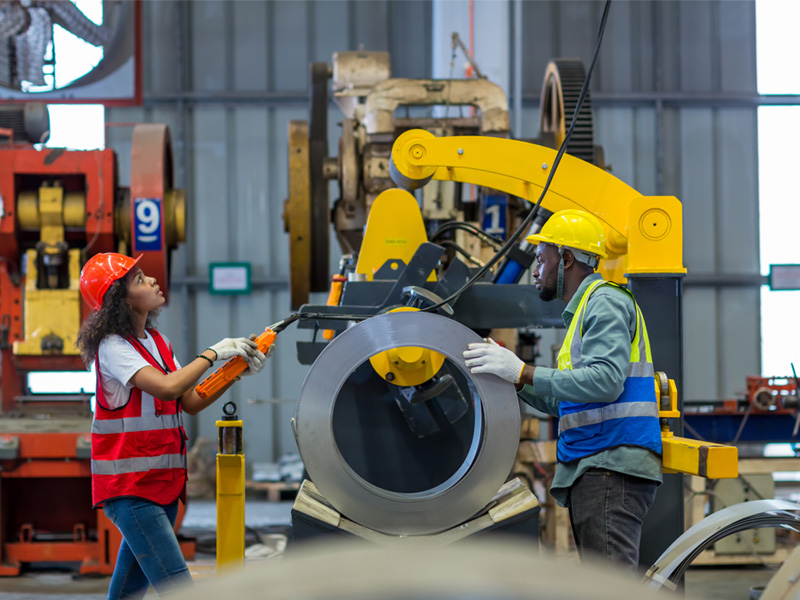
Heavy Equipment Manufacturing
Typical Loads
Large plates, welded frames, heavy assemblies, irregular components, and oversized structural pieces.
Recommended Systems
Multiple-Part Magnet Systems; Plate Magnets; Vacuum Systems for non-magnetic assemblies; Load Positioners for large-scale alignment.
Common Tasks
Moving welded structures between stations, rotating assemblies for weld or inspection, positioning frames for machining or drilling.
ROI Points
Reduced reliance on manual rigging, improved safety, shorter transfer times, more efficient assembly-line flow.
Case Study
A heavy-equipment producer cut assembly staging time dramatically by introducing modular magnetic lifting for its large structural components.
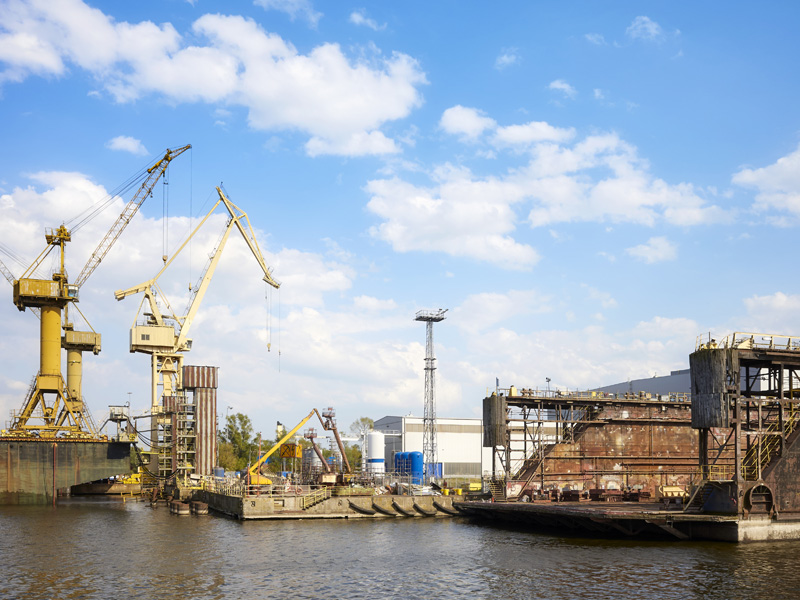
Shipyards
Typical Loads
Large hull plates, structural sections, beams, curved or shaped components, and specialty alloys depending on vessel design.
Recommended Systems
Plate Magnets; Vacuum Lifting Systems; Multiple-Part Handling systems; Load Positioners for hull fit-up.
Common Tasks
Moving plates from storage to cutting stations, handling curved sections, positioning hull plates for welding, staging components for assembly lines.
ROI Points
Safer alternative to slings and hooks, faster transitions from cut to fit, improved precision during hull build-up, reduced labor exposure.
Case Study
A shipyard improved plate-fit timing and reduced rigging steps by integrating controlled magnetic lifting into its hull-fabrication workflow.
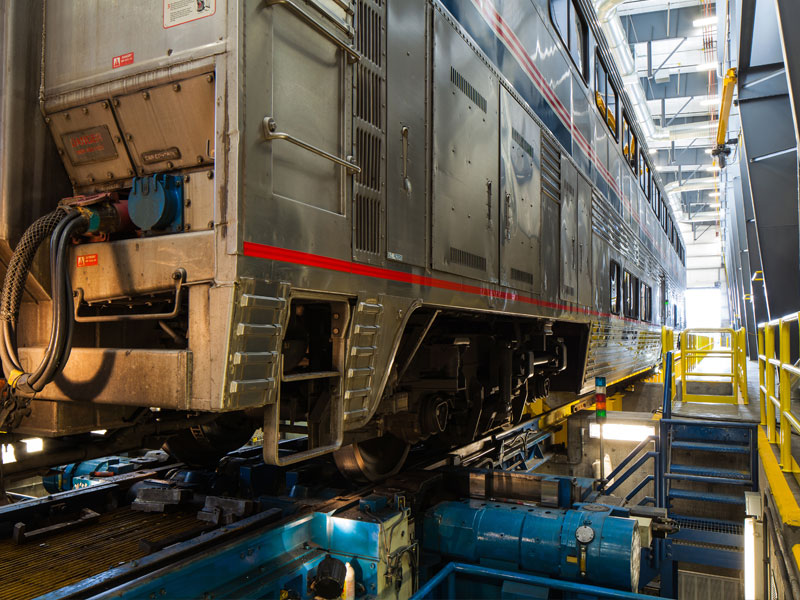
Rail Car Manufacturing
Typical Loads
Large floor plates, sidewall panels, roof sheets, structural frames, beams, and welded sub-assemblies.
Recommended Systems
Plate Magnets; Vacuum Systems; Multiple-Part Handling systems; Load Positioners for car-body alignment.
Common Tasks
Unloading raw plate, moving sidewall panels to welding stations, positioning large sections for assembly, handling completed sub-assemblies.
ROI Points
Faster move-to-station times, fewer manual lifts, more consistent alignment, smoother flow between fabrication and assembly.
Case Study
A rail-car builder increased daily throughput by reducing lift-and-rotate time for large sidewall and roof sections.
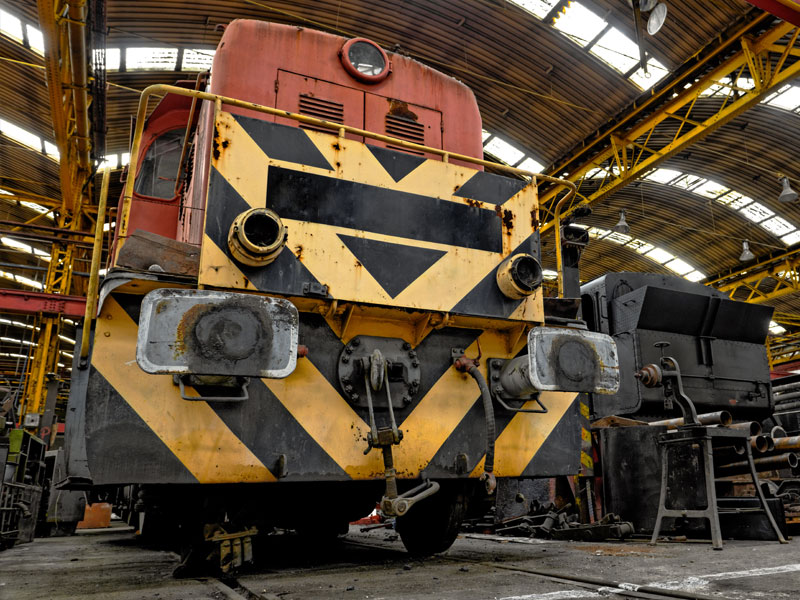
Diesel Locomotive Manufacturing
Typical Loads
Heavy chassis plates, frames, large housings, bulky castings, and oversized sub-assemblies.
Recommended Systems
Multiple-Part Magnet Systems; Plate Magnets; Vacuum Systems; Load Positioners for large-assembly staging.
Common Tasks
Lifting and rotating frames, staging parts for machining, moving large sub-assemblies between work cells, aligning major components.
ROI Points
Lower rigging labor requirements, increased assembly accuracy, safer handling of extremely heavy pieces, improved production predictability.
Case Study
A locomotive manufacturer cut frame-handling time significantly after replacing traditional rigging with controlled magnetic lifting.

Tower Manufacturing
Typical Loads
Large plates, tower-section components, angles, rounds, tubular segments, and fabricated structural parts.
Recommended Systems
Plate Magnets; Multiple-Part Handling Systems; Vacuum Systems for non-ferrous sections; Load Positioners for segment fit-up.
Common Tasks
Moving plate stock for cutting or bending, transferring tower segments to assembly stations, positioning large sections for welding or bolt-up.
ROI Points
Faster cycle times for large segments, safer handling of long pieces, fewer lifting errors, more efficient assembly-line progression.
Case Study
A tower manufacturer increased weekly output by optimizing plate and segment handling with purpose-built magnet systems.